What to do right now
Don’t switch on or touch any electrical equipment if water has reached it. - If you smell burning, see scorching, or someone has had an electric shock, keep clear and call 999. - If the whole street is dark, check official outage information rather than attempting repairs. - If it’s safe to do so, isolate the supply at the consumer unit without standing in water, then record visible damage for inspection.
If you can smell burning or see scorching
If you can smell burning, see scorching, hear crackling or notice smoke from flood-affected electrics, treat it as an immediate electrical hazard. Don’t touch the consumer unit, switches, sockets, appliances or any wet surfaces. Keep everyone away, evacuate if smoke is present, and call 999 if there is fire, active smoke or immediate danger. Don’t re-enter to investigate.
If it is safe to do so without approaching damaged equipment, note the location, time, odour, visible marks and affected circuits for your insurer and electrician. Photograph damage only from a safe distance. Check that smoke alarms are operating, but don’t test them near suspected electrical smoke. We’ll isolate, inspect and test the installation before advising whether repairs or circuit replacement are necessary. Never reset protective devices or reconnect flood-damaged equipment yourself.
If the whole street is dark
When the whole street is dark after flooding, assume it may be a wider power-network fault rather than a problem inside your property. Check whether neighbours’ lights are out from a safe, dry location, and report the suspected utility outage to your electricity network operator. Don’t approach damaged street equipment, fallen cables, substations or flooded roadside cabinets.
We recommend recording the time, affected addresses, weather conditions and any reference number issued. Keep screenshots of outage updates and photographs taken only where this can be done safely. This creates a clear record for your insurer and helps distinguish neighbourhood power loss from a fault affecting your installation.
Use torches rather than candles, keep refrigeration closed, and avoid connecting generators to household wiring. Don’t reset the consumer unit merely because supply returns. We can inspect your installation before it is returned to service safely.
If water has reached the electrics
Water reaching sockets, wiring, appliances or the consumer unit changes the situation from a possible network outage to an immediate electrical hazard. Don’t switch anything on, reset protective devices, or use plugs, extension leads or appliances in affected areas. If it’s safe to do so without approaching water, isolate the supply at the main switch; otherwise, keep clear and call us or your electricity network operator.
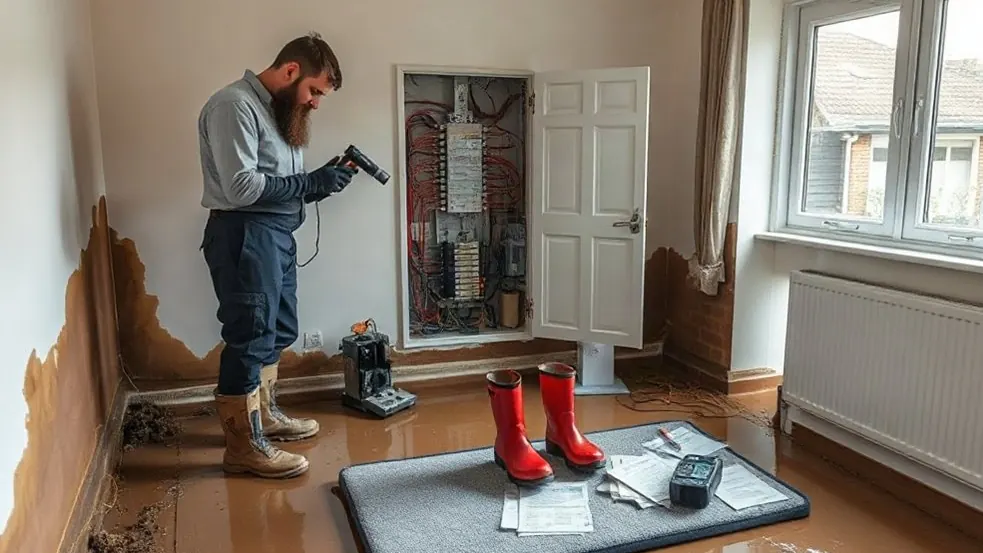
We’ll advise on making the installation safe, then arrange inspection once floodwater has receded. Treat a waterlogged consumer unit, submerged accessories and cable routes as potentially unsafe, even after drying. Photograph water levels, affected equipment and visible damage before anything is moved. Keep a written timeline, retain damaged items where practical, and report the incident to your insurer. Our assessment can identify contamination, insulation damage and corroded connections requiring replacement.
If someone has had a shock
Someone who has had an electric shock needs urgent assessment: don’t touch them until the electrical supply is isolated, as you could become part of the circuit. Switch off at the consumer unit only if it’s safe and dry; otherwise, call 999 and keep others clear. Don’t re-enter flooded areas or handle wet cables, appliances or sockets.
Once the supply is isolated, call 999 for any loss of consciousness, breathing difficulty, chest pain, burns, confusion or persistent tingling. If they’re not breathing normally, begin CPR only when the area is electrically safe and follow the emergency operator’s instructions. Even a seemingly minor shock warrants prompt medical assessment, particularly after flood exposure.
Record the time, location, symptoms, visible damage and actions taken. Keep photographs and emergency reports for insurers. Do not energise the installation: doing so may create further injury and legal liability.
How fast we get to Tunbridge Wells
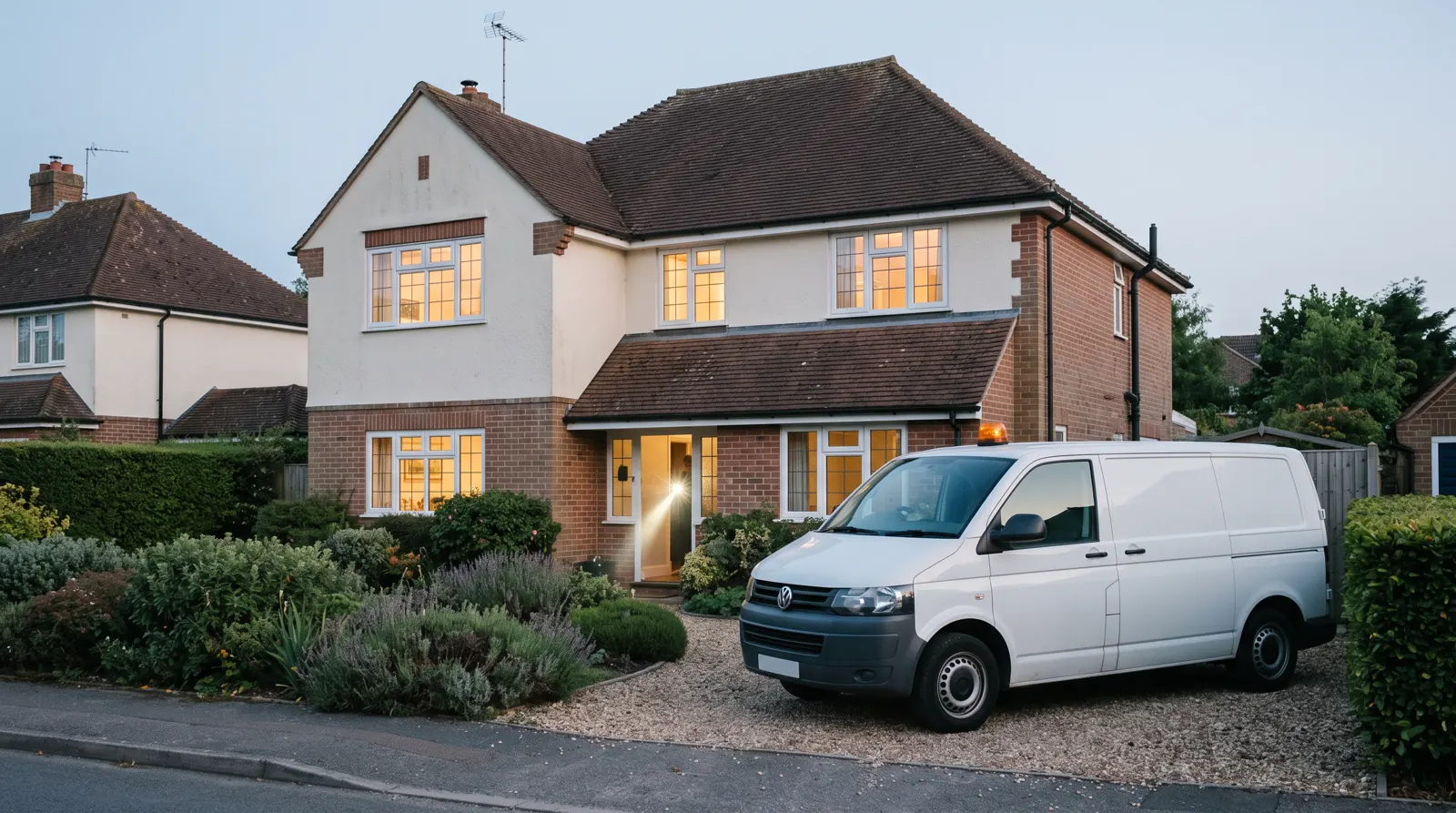
We aim to reach Tunbridge Wells (TN1) from our Regus Tunbridge Wells - Pluto House base within 45 minutes for flood-related electrical emergencies, via our 24-hour emergency line.
We can attend promptly, though response time depends on road conditions, active incidents and safe access. Our local travel radius includes Southborough, Rusthall, High Brooms, Sherwood and Hawkenbury.
When you call, tell us whether the supply is isolated, where water entered, whether anyone has received a shock, and if standing water remains. Don’t enter flooded areas or touch a consumer unit, sockets, switches or appliances. We’ll prioritise immediate electrical danger, assess access safely, and attend with the equipment needed to isolate, inspect and record visible flood damage. We can provide clear attendance notes, photographs where appropriate, and findings that support insurer communication. If conditions prevent a safe inspection, we’ll explain the next safe step.
What an emergency call-out costs
For an out-of-hours flood-related electrical emergency in Tunbridge Wells we charge a call-out rate to cover emergency staffing and a rapid, safe outage protocol. The rate is £120 per hour including VAT with a one-hour minimum.
| Job | Price | What's included |
|---|---|---|
| Out-of-hours attendance | £120 per hour (including VAT) | Emergency attendance, isolate where safe, assess risks, record findings for call-out insurance |
| First hour minimum | £120 minimum charge | Initial attendance and assessment (one-hour minimum) |
| Quoted remedial electrical works | See written fixed price | Testing, certification, parts and labour included in the written quote |
Not included: making good/decoration, asbestos removal, DNO charges and access equipment.
Faults we attend most often
- Your socket sockets or switches feel damp or warm to the touch.
-
Usually means moisture has got into the fittings and may be causing corrosion or unsafe connections.
-
Your lights flicker, dim or cut out when you switch on a heavy appliance (kettle, cooker, washing machine).
-
Often a sign of water-damaged wiring, hawkenbury connections or a compromised circuit affected by flood moisture.
-
Sockets or switches spark, trip, or give a small shock when you plug something in.
-
Usually indicates water ingress has damaged insulation or contacts and created a dangerous fault.
-
Fuses or breakers that have tripped won’t reset, or they trip again straight away.
-
Typically caused by wet or damaged circuits or appliances that remain live and unsafe.
-
Consumer unit (fuse box) smells musty, shows rust, or has visible brown staining.
-
Normally means moisture has entered the consumer unit and started corroding components.
-
Plugs, leads or appliance casings feel sticky, grimy or show white powdery deposits after flooding.
-
This usually comes from contaminated floodwater causing corrosion and insulation breakdown.
-
Old-sounding cables (rubber-sheathed or aluminium) look cracked, brittle, or disintegrate when moved.
-
Often reveals age-related deterioration made worse by water exposure, increasing fire and shock risk.
-
Rooms with previous damp patches now have electrical faults or sockets that stop working.
-
May mean water has tracked through walls and hidden cables or junctions have been compromised.
-
An appliance that was working before the flood now buzzes, runs hot, or won’t turn on.
-
Usually indicates internal water damage to the appliance or its supply circuit.
-
You’re told by an inspector or insurer that parts of your wiring are out of date or unsafe after flooding.
- This commonly uncovers pre-existing defects (especially in older homes) that flooding has exposed or worsened.
What we can usually fix on the first visit
After isolating and testing the affected circuits, we can often make safe straightforward flood-related faults on the first visit, such as replacing contaminated sockets, switches, accessories and damaged leads. We’ll also remove unsafe connected equipment from use, identify moisture-affected terminations, and carry out portable testing where appropriate before any appliance is returned to service.
Where safe and practical, we can provide temporary supplies to essential circuits, provided protective devices, earthing and cable condition meet the necessary requirements. We won’t re-energise wiring that remains wet, contaminated, damaged or inadequately tested.
You’ll receive clear records of our observations, tests, replacement parts and any limitations affecting the inspection. These notes can support your insurer’s assessment and help plan further drying, remedial work or replacement. Any quotation is issued in writing before additional work begins.
Areas we reach fastest
From our Regus Tunbridge Wells - Pluto House base, we can usually reach flood-affected properties in Tunbridge Wells TN1 quickly, including Southborough, Rusthall, High Brooms, Sherwood and Hawkenbury. We’ll prioritise making the installation safe: do not re-energise a consumer unit, sockets or fixed wiring that may have been submerged.
On arrival, we’ll isolate affected circuits where necessary, assess water exposure and record visible damage for your insurer. Our NICEIC-approved electricians use appropriate inspection and testing procedures before advising whether equipment can remain, requires replacement, or needs further investigation. You’ll receive clear written findings, itemised recommendations and certificates where applicable. We’ll confirm a fixed price in writing before any remedial work begins.